



Tooth Extraction
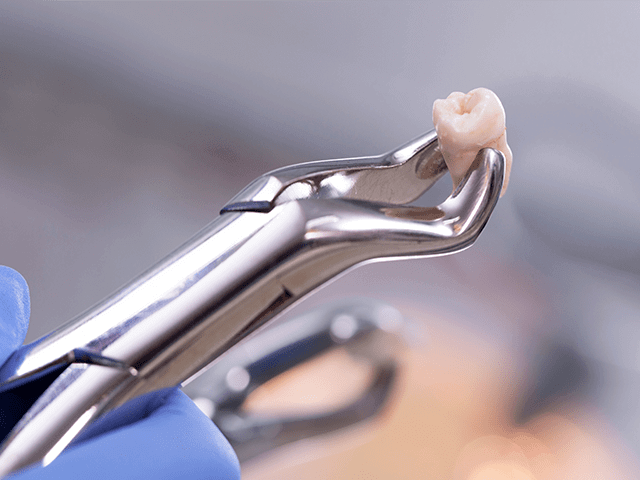
Tooth extraction procedure includes the removal of teeth from their socket in the alveolar bone.
Dental extractions are performed for a variety of reasons, but most frequently to remove teeth that are irreparable due to tooth decay, periodontal disease, or oral trauma, particularly when they are accompanied by toothache.
When various conservative approaches have failed and impacted wisdom teeth continue to cause repeated gum diseases, they may be extracted.
When the teeth are too close together, orthodontic treatment may involve the removal of healthy teeth in order to make room for the realignment of the remaining ones.
Candidates for Dental Extraction
Dental experts favor preserving natural teeth as available. Occasionally, however, additional restoration treatments such as tooth fillings and dental crowns are insufficient.
If the patient's tooth is severely injured beyond the point of healing, extraction may be required. The dentist may propose tooth extraction if the patient carries any of the following conditions:
- Severe dental caries,
- A chipped tooth,
- A tooth that is affected,
- Crowded teeth,
- Severe periodontal disease, tooth displacement, or other dental trauma.
Reasons for Tooth Extraction
Despite the permanent teeth are designed to last a lifetime, tooth extraction might be necessary for a variety of reasons. A tooth that is severely damaged by trauma or decay cannot be restored. Some other reasons are below.
- Sometimes, dentists extract teeth in preparation for orthodontic treatment. The purpose of orthodontics is to correctly line the teeth, which may not be achievable if a patient's teeth are too large for his or her mouth. Similarly, if a tooth cannot erupt through the gum because there is insufficient space in the mouth, the dentist may propose extraction.
- If tooth decay or injury reaches the pulp, oral bacteria can penetrate and cause an infection. Typically, this may be treated with root canal therapy, but if the condition is so serious that antibiotics or root canal therapy are ineffective, the tooth may need to be removed to prevent the infection from spreading
- If the immune system is impaired, the danger of infection in a single tooth may be sufficient justification for extraction.
- If periodontal disease is led the loosening of a tooth or teeth, extraction may be recommended
What is the tooth extraction procedure like ?
Initially, local anesthetic is used to sedate the afflicted tooth and the gum tissue around it. The dentist may use special dental equipment to softly loosen and remove the tooth from its socket.
When a patient's tooth is severely decaying or has broken off at the gum line, the dentist may be required to create incisions in the gums to gain access to the tooth. After the tooth is extracted, the socket is cleaned and sanitized.
In rare instances, the dentist may additionally put a dental bone transplant to prevent jawbone loss. Finally, sutures may be used to aid in the healing process.
What are the advantages of tooth extraction ?
Tooth extraction has several advantages. Most importantly, it decreases microorganisms that might hurt the teeth and gums of the patient. A broken or rotting tooth may cause problems with the smile and develop a major impact of complications if left untreated.
The patient has the best opportunity for excellent dental health if the problematic tooth is removed. In addition, tooth extraction can alleviate dental discomfort almost instantly, particularly if the tooth was badly damaged or diseased.
What are the side effects or complications of tooth extraction ?
Tooth extraction, as with any surgical surgery, offers a modest risk of complications. Examples:
- Post-operative infection
- Dry socket
- Nerve damage
- Maxillary sinus perforation
- Delayed recovery
Following the removal of a tooth, it is common for the patient to experience bleeding, edema, and irritation. The patient is given guidance from the dentist on how to properly manage the recovery.
Frequently Asked Questions
- Can sedation influence the healing rate of tooth extractions?
-
Sedation has no effect on recovery from dental extractions, as the healing process is dependent on a number of circumstances. Sedation can, however, make the operation more comfortable.
Patients are typically worried and nervous during dental procedures. Their dread may induce gestures and behaviors that might cause them harm and make it difficult to carry out treatments.
- How much is the dental extraction cost?
-
Tooth extraction cost depends on the number of teeth to be taken, the kind of procedure, the need for anesthesia, and the type of sedation. You may schedule a consultation to establish the best course of treatment.
- How long does it take to recover from a tooth extraction?
-
It varies depending on the nature of the situation. The majority of individuals, however, return to normal within a few days. While patients can go back to their normal activities within 36 to 72 hours, the healing process for the jawbone often takes several weeks.
Therefore, if you intend to replace the missing tooth with a dental implant, you will likely have to wait a few months to provide for complete healing.
Contact Us
Address
Çukur Mahallesi, Tarlabaşı Bulvarı No:150/170 kat:3 no:25 Beyoğlu/İstanbul
CALL US