



Dental Veneers
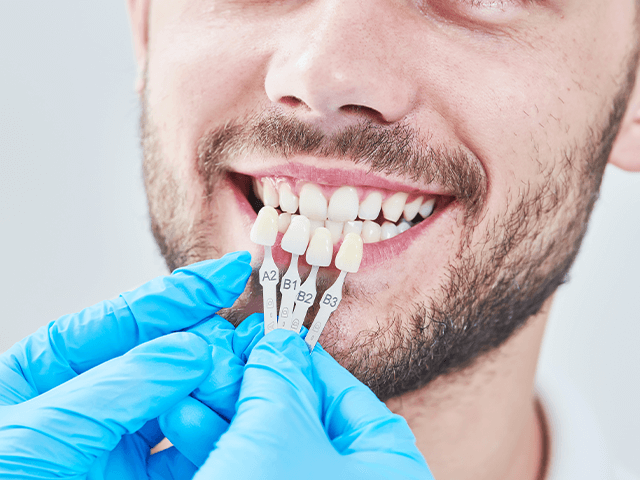
A dental veneer is a process of covering teeth with special materials. Thin, tissue-compatible molds are placed on the front surface of the teeth. Molds are prepared individually and it is essential that they are fully compatible with the oral cavity in terms of shape and functionality. It promises good effective results for crooked teeth, stained teeth, and broken teeth.
What is dental Veneer and Why is It Important ?
The dental veneer procedure is performed by the dentist and veneers serve the purpose of correcting the unaesthetic appearance of the teeth. Aesthetic smile design is one of the most preferred methods. The scope of application is also wide. In fact, the art of veneering is the answer to the questions that many people are most curious about. For example;
- How can I have an aesthetic smile without an orthodontic procedure?
- How do front teeth look more aesthetic without braces?
- What can be done for a split tooth?
- How can I get rid of my brown teeth stains?
- What should I do if my natural tooth color is not white enough?
- I cannot have an implant due to my dental anatomy, what is my alternative?
One of the preferred methods in dentistry to repair such problems is dental veneer. Of course, the veneer process is applied for aesthetic purposes. It allows you to achieve a more beautiful smile in a short time. However, it also increases the functionality of the area where it is applied.
If there is a high risk of loss of function or the risk of adversely affecting the jaw and tooth anatomy in the long term, it is essential to treat dental diseases. For example, let's say there is a missing tooth problem that needs to be implanted. In this case, it may not be preferred to apply dental coating to the tooth cavity. Because the missing tooth may shift towards the neighboring teeth over time and disrupt the tooth alignment.
Caries treatment is another example that can be given. Tooth decay should be treated, root canal treatment and tooth filling should be done if necessary, and veneer treatment should be applied after these practices. The dentist will explain the essential information and treatment map to the patient after the examination.
Types of Dental Veneers
There are many types of dental veneers. One tooth correction and 2 or more veneer applications are performed. Dental veneer types are differentiated from each other by the veneer material. Within the scope, porcelain coating, ceramic coating, and composite coating treatments are performed.
Zirconium Dental Veneer
Zirconium veneer or zirconium crown is one of the most popular applications of both dentists and patients. Zirconium dental veneer aesthetics provides an image that is suitable for natural teeth. The light transmittance of zirconium is high and the risk of allergic reactions (this is an important advantage compared to metal-based coatings) is low. It has stain-proof properties and does not turn yellow easily. In addition, since zirconium is a durable material, its wearing comfort and durability are longer.
Empress Veneer (Full Porcelain Veneer)
Empress veneer refers to the full porcelain tooth-veneer process. Porcelain, which is the veneer material, is integrated directly on the tooth enamel. For this reason, there should be no tooth cavity in the gum, that is, there must be real teeth in the mouth. During the procedure, teeth enamel is shaved down. Porcelain veneers have the feature of maintaining their permanence for many years when used correctly.
Veneers With Metal Supports
Porcelain veneers with metal supports are no longer preferred very often. Since metal dental veneer prices are affordable, some patients may find this treatment advantageous. It is not suitable for people allergic to metal. Moreover, it can be said that it is not a good method for aesthetic smile design since it has a different color from the natural tooth. Color changes may also experience over time. Therefore, it may be applied as an alternative for posterior teeth rather than anterior teeth, even if preferred.
Laminate Veneers
Lamina veneers are one of the most used dental practices in Hollywood smile and smile design applications. It has two models, porcelain lamina and composite lamina. Porcelain laminates are extremely thin, so micro-thinning may be required on the front surface of the tooth. It is a good option for teeth that cannot be whitened by bleaching and for stained teeth. The natural tooth is not intervened when applying the composite lamina. Laminas are bonded to the tooth surface with a special method.
Veneers Procedure
The most frequently asked question by those who want to have a veneer application is "how to make tooth veneer". Methods of dental veneer may vary depending on the type of treatment preferred. First, the dentist talks to the patient. The patient, on the other hand, explains his wishes and gets answers to the questions he is curious about. An examination is made, the gingiva is examined and a dental analysis is done.
Dental veneer types and methods are explained in detail with their pros and cons. Dental veneer prices are shared with the patient. Before the procedure, if there are other dental treatments to be done, they are treated first. Tooth measurement and veneer shape design are made, then poured into the tooth mold and placed on the tooth temporarily.
The mold color matches the natural tooth color. It is observed how the products look in the mouth aesthetically and whether they pose a problem. In some cases, it is necessary to make corrections to the edges and corners of these veneers. There may be minor compatibility problems between natural teeth and veneers, if any, these are corrected first, and then the permanent veneer preparation process is started. The entire procedure is completed in approximately 2-3 sessions.
What to Do After Tooth Veneer
After the dental veneer procedure, you are asked to perform classical dental care practices. Tooth and gum sensitivity may occur in the first days after the coating. This side effect is temporary.
It is important to brush, floss, and gargle regularly. You can get advice from your dentist when choosing toothbrushes and other dental products. In addition, you should go to regular dental check-ups, you should not chew hard foods with your teeth, and you should not use tobacco products that negatively affect oral and dental health.
If you have had an application that requires veneer polish, your dentist will set an appointment date for you. Also, techniques of polishing a veneer the right way are taught to patients. These will help if you apply them fully.
Frequently Asked Questions
- Does veneer damage easily?
-
Since even natural teeth can break, veneers made of artificial material and placed on the teeth can also be damaged. Just as you take care of your natural teeth, you should also take care of the veneers. In addition, deformation and thinning may occur after prolonged use. If you go to dentist checks regularly, you can get a healthy and long-term use.
- Is dental veneer permanent?
-
The permanence time of dental veneers may vary depending on the veneer material. However, they last for at least 10 years. The success of the dentist and the use of oral care will also have an impact on the duration and permanence. In other words, with the right use, you can extend the life of dental veneers.
- Is dental veneer applied to the back teeth?
-
The answer is yes. However, which veneer will be used for the back teeth may vary. Factors such as the structure of the tooth cavity, the condition of the tooth and gum health are decisive on the process. Porcelain veneer with metal roots is preferred because the posterior teeth should be more durable.
Contact Us
Address
Çukur Mahallesi, Tarlabaşı Bulvarı No:150/170 kat:3 no:25 Beyoğlu/İstanbul
CALL US