



Periodontology
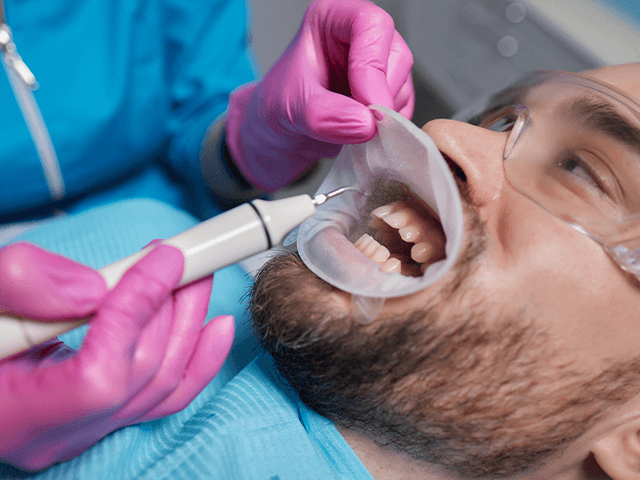
Periodontology is a dental speciality that evaluates the medical and microscopic features of hard and soft tissues around gingiva, diagnoses disorders affecting these tissues, treats them, and then maintains their health. In the beginning stages, gingival disorders are referred to as gingivitis.
Gingival bleeding; red, swollen, and sensitive gingiva; unattached gingiva that can be easily extracted from the teeth; inflammatory release between teeth and gingiva; teeth that sway and progressively migrate apart from each other; chronic foul breath. These are the signs of gingival disorders.
What is Periodontology ?
The word "periodontology" comes from the Greek words "peri-," which means "around," "odonto," which means "tooth," and "logos," which means "science." Together, these three words refer to the study of the tissues that surround teeth.
Symptoms & Causes of Periodontal Diseases
There are cases in which the condition can be remedied with improved oral hygiene and the assistance of a dental practitioner. In addition to oral cleansing, dental doctors may recommend the exclusion and smoothing of the root surface, depending on the severity of the gingiva disease that the patient is suffering from.
The main factors causing periodontal diseases are listed below:
-
The use of Tobacco
In addition to its overall negative effects, smoking boosts the risk of periodontal disease. According to studies, smoking may be a significant risk factor for the beginning and progression of periodontal disease. Smokers also have more plaque than nonsmokers, as well as deeper pockets and worse bone and tooth-supporting tissue loss.
In many situations, the chemical components of cigarettes and the action of heat also mask the symptoms of gingivitis. Due to the inability of the infected gingiva to bleed, the patient is frequently ignorant of periodontal disease and associated issues.
-
Diabetes
Diabetes is a condition that generates unique hyperglycemic problems because of the absence, inadequacy, or inefficacy of insulin hormone. The most common alteration in diabetes individuals is a lack of substantial change in the rate of flow or quantity of saliva. In the taste papilla of uncontrolled diabetics, dryness, burning, and loss of taste sense may develop.
-
Menstruation, Puberty, and Climacteric
In addition to other parts of the body, the gingival tissues are impacted by the changes in hormones throughout these periods, and their reaction to bacteria is amplified during these times. In order to reduce bacterial plaque during these times, it is vitally necessary to brush and floss daily with particular diligence.
- Systemic Conditions
Certain systemic disorders, like diabetes and immune system diseases, influence the severity of periodontitis and the responsiveness to therapy.
Diseases that weaken the body's immune system, such as leukemia and AIDS, can exacerbate gingival problems. Gingival illnesses are typically far more severe in immunocompromised individuals, and therefore are more difficult to control.
Treatments of Periodontal Diseases
Periodontal treatments can be divided into two classes, surgical and non-surgical. Surgical options are listed below.
- "Pocket reduction" Surgery
The periodontist creates microscopic cuts in the gum so that a portion of gum tissue may be removed, revealing the roots for more efficient scaling and root planing. Due to the fact that periodontitis frequently causes bone loss, the supporting bone could be recontoured before the gum tissue is resutured. After healing, it is simpler to keep the good gum tissue in these places.
- Bone Grafting
When the bone around the tooth root has been damaged by periodontitis, this surgery is performed. The transplant may consist of tiny pieces of the patient's own bone, synthetic bone, or donated bone. The bone transplant prevents tooth loss by stabilizing the tooth. In addition, it facilitates the rebuilding of natural bone.
- Soft Tissue Grafts
The gumline recedes when gum tissue is injured. Some of the patient's injured soft tissue may need to be restored. This can help prevent additional gum recession, conceal exposed tooth roots, and improve the aesthetics of the teeth.
- Tissue Regeneration
This enables the repairing of bone that is damaged by microorganisms. The dentist inserts a specific biocompatible material between the tooth and bone. It blocks undesired tissue from accessing the healing region, so allowing bone to regrow.
Frequently Asked Questions
- How to understand the relationship of gum diseases with other illnesses?
-
The relationship between periodontitis and other systemic disorders is extensively researched. Many research studies suggest that gum disease may be associated with other diseases, like heart disease and diabetes, and scientists assume that inflammation might be the underlying cause of this connection.
- Can I have a normal life with periodontitis?
-
The condition of periodontal disease is not life-threatening. However, if the microbes from the disease moved to your bloodstream and impacted your general health, you may be required to have treatment from many medical specialists.
- How long does it take to heal periodontitis?
-
It can require somewhere between three to four weeks, while serious wounds might take months to heal. Since the patient's mouth is sore and irritated, it is recommended that consume soft foods for the first several days.
Contact Us
Address
Çukur Mahallesi, Tarlabaşı Bulvarı No:150/170 kat:3 no:25 Beyoğlu/İstanbul
CALL US