



Laminate Veneers
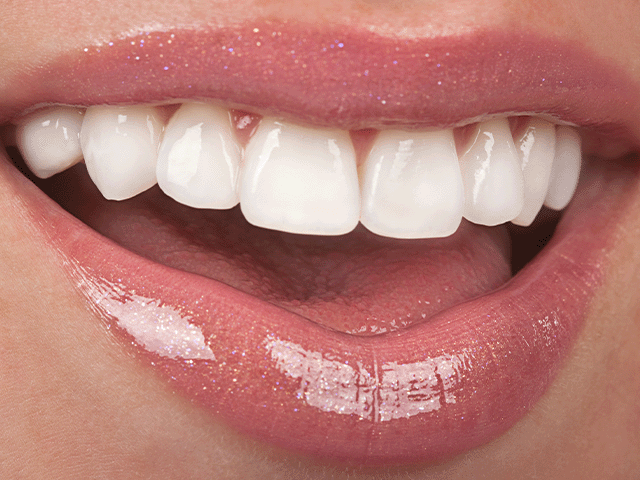
Laminate veneer is the restoration of the colors and appearance of the teeth with the thinning and bonding technique performed only on the front surface, without the need to slim all the surfaces of the teeth.
With this technique, thinnings up to 1 mm are made, thus maximizing the preservation of healthy tooth tissue. Laminate veneers, which are very similar to natural teeth, are adhered to the shaved site.
Lamina means "leaf" in Latin. This treatment method, also known as leaf porcelain or porcelain laminate veneer, is an important part of smile design and therefore aesthetic dentistry.
What is Laminate Veneer?
The dressing of the teeth with a veneer is called laminate veneer. At the end of the treatment, it is aimed to have a realistic whiteness of yellowed, stained teeth and to look smooth by correcting their forms.
Laminate Veneer Candidates
Laminated dental veneers can be applied to suitable people in the following cases:
- People who are not happy with their tooth color and have discoloration in their teeth,
- People with split teeth,
- In the treatment of crooked teeth,
- In the treatment of broken teeth,
- People who do not have missing teeth and have not had porcelain veneer before.
How is Laminate Veneer Made?
It is very important to choose a dentist who is an expert in this field for treatment, in order to complete the process successfully. After the consultation between the dentist and the patient, the treatment plan is set and it begins then.
- Before the application, the area to be treated is numbed, thus minimizing the feeling of pain.
- At the beginning of the treatment, the front surface of the tooth is thinned to the size of the new veneer in order to fit the leaf porcelain well. The purpose of this process is to ensure that they fit easily into their new places.
- The thinned area is measured and the results are sent to the laboratory for processing. Including rehearsals, preparation can take about a week.
- Laminate veneers prepared according to the patient's tooth structure are then placed on the shaved tooth or teeth. Porcelain laminate teeth can generally be used for up to 15 years. With careful use, their lifespan is about 20 years.
Advantages of Laminate Veneers
Dental laminates have traditionally been a leading alternative for enhancing a smile. There are several advantages to using laminates. The placement of these thin, custom-fitted shells over each tooth can conceal any discoloration or stain. People frequently resort to them when teeth-whitening procedures fail to work.
The dental stains caused by the overuse of fluoride and prescription drugs are too persistent and profound. The stains are no longer removable by conventional tooth-whitening methods. Although it may appear hopeless, dental laminates can assist. Lighter-colored laminates can conceal teeth with severe discoloration.
Some unforeseen circumstances might result in cracked, worn teeth. Here laminates might provide a rapid answer. Laminates may conceal any form of damage or chipping. These veneers can benefit single or numerous teeth.
Additionally, dental laminates can correct uneven and crooked teeth. These are able to cure even craters and bumps. A tiny bit of enamel is removed to improve the adhesion of thin shells to dental surfaces. Additionally, it prevents overpopulation.
Additionally, laminates help eliminate gaps between teeth. These spaces can cause teeth to move and jawbone to deteriorate. The placement of laminates on the teeth helps fix these little gaps. This can prevent other dental issues from arising.
The Cons of Lamina Tooth
Choosing laminates is a difficult task. The maintenance of these repairs requires a lifetime commitment. Permanent therapy is provided. Each shell will stick to its respective tooth. A shell cannot be repaired if it breaks off.
Even if the shells are made of porcelain, the patient should be mindful of the foods they consume. The patient cannot consume hard or crunchy foods. These compounds may cause the shells to crack. Once the shells split or separate, they cannot be repaired.
There may be temperature sensitivity in the teeth. Ultimately, the dentist must remove a portion of the enamel layers. This may result in some pain.
Another disadvantage is the development of cavities. Individuals having dental laminates may still have dental cavities beneath the shells. Optimal dental care is therefore required while using these laminates.
Laminate veneers are not appropriate for those with weak or rotting teeth. These are not for those with periodontitis. Individuals with a thin enamel coating should not select laminates.
Frequently Asked Questions
- How much do laminate veneers cost?
-
One of the most frequently asked questions is "how much do laminate veneers cost". Since it is a sensitive procedure, it may be more costly than other dental restorations. As a result of the consultation between the patient and the dentist, the price of the laminates can be learned.
- Do laminated teeth get stained?
-
Porcelain veneers never stain. However, if the patients have the propensity to stain, they should strive to prevent or minimize the behaviors that cause staining and care for their teeth.
- Can laminate veneer be reversible?
-
Due to the necessity of removing a very small layer of tooth enamel to fit the veneer's thickness, the procedure is not considered reversible.
Contact Us
Address
Çukur Mahallesi, Tarlabaşı Bulvarı No:150/170 kat:3 no:25 Beyoğlu/İstanbul
CALL US